
This is a factual profile of a casino brand that appears in this site’s directory. It carries no offer, no rating and no link to any operator’s cashier. Its purpose is to set out who runs Yeti Casino, what its licences actually cover, how its banking and bonus terms are built, and where all of that leaves a player in New Zealand under the country’s new online-gambling rules.
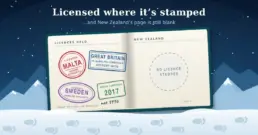
Two things are worth clearing up before anything else. Yeti Casino is frequently dated to 1996; it launched in 2017. And it is sometimes described as holding licences from “respected regulatory bodies” as though that protects everyone who plays there. It does not: its licences name the countries they cover, and none of them is New Zealand.
Quick Facts
| Brand | Yeti Casino |
| Operator | L&L Europe Ltd, Mosta, Malta |
| Brand launched | 2017 (not 1996, as often claimed) |
| Operating company filings from | Around August 2011 |
| Licences held | Malta Gaming Authority; UK Gambling Commission (account 38758, for residents of Great Britain); Swedish Gambling Authority (for residents of Sweden) |
| Licensed for New Zealand? | No — no operator is yet licensed for online casino gambling in New Zealand |
| Currency and banking | Limits quoted in pounds sterling; UK and Nordic payment methods (Boku UK, PayPal UK, Euteller, Zimpler, Trustly) |
| Support languages | English, Norwegian, Swedish |
| Sister brands (group) | All British Casino, CasinoCasino, Fun Casino, Hyper Casino, Pub Casino, Quickbet |
Who runs Yeti Casino, and when it started
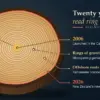
Yeti Casino is operated by L&L Europe Ltd, a company based in Mosta, Malta. The UK Gambling Commission’s public register lists the business at a Mosta head office under account number 38758, and Malta company filings for the entity go back to around August 2011. The Yeti brand itself went live in 2017 — so the “since 1996” line that circulates on review pages predates the brand by about two decades and predates the operating company by roughly six years.
That gap matters because longevity is used across casino listings as a shorthand for trustworthiness. “Trusted since 1996” and “launched in 2017” invite very different levels of confidence, and only the second is accurate here. A brand’s real age is one of the easiest facts to check and one of the most commonly inflated, so it is a useful habit to confirm it against a regulator’s register rather than a marketing page.
Yeti is one of several casino brands run by the same operator. Sister brands commonly listed alongside it include All British Casino, CasinoCasino, Fun Casino, Hyper Casino, Pub Casino and Quickbet, all operating under the group’s licences. Casino groups open and retire brands over time, so the exact line-up changes; if a particular sister brand matters to you, check that it is still trading on its own domain rather than relying on an undated third-party list.
The licences — and who they actually cover
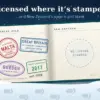
A licence is often treated as a quality badge that belongs to the website. It is better understood as a contract between an operator and a regulator about a defined group of customers. The protections it creates belong to the people that regulator is responsible for, not to everyone who can load the site.
The operator’s own footer names three licences, and each one states who it is for:
- Malta Gaming Authority (MGA). The group’s primary European licence, issued in Malta.
- UK Gambling Commission (account 38758). This authorises gambling for customers who reside in Great Britain. On the Commission’s public register the business shows no regulatory action recorded against it.
- Swedish Gambling Authority (Spelinspektionen). This covers customers who reside in Sweden.
None of the three is a New Zealand authorisation. The practical difference is concrete. A British resident playing on the site has affordability checks, a mandated safer-gambling toolkit, access to the national self-exclusion scheme and a formal dispute route with a regulator that publishes its enforcement decisions. A New Zealander playing the same games from the same lobby has none of that, because no regulator with authority here stands behind the account. An overseas licence does not transfer its protections across borders simply because the website is reachable.
If you want the full picture of how to read an operator’s footer and verify its claims, our casino reviews hub sets out the checklist, and our guide to spotting scam casino sites covers the red flags that licences are meant to rule out.
What New Zealand’s new rules mean for a site like this
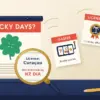
New Zealand’s online-casino market is being restructured. The Online Casino Gambling Act 2026 came into force during 2026 and tasks the Department of Internal Affairs (DIA) with licensing a limited number of online casino operators for the first time. A licensing round was held in 2026, and locally licensed sites are expected to go live during 2027.
Two dates are worth knowing. From 1 December 2026, an operator that has not applied for a New Zealand licence must stop offering online casino gambling to New Zealanders. Operators with an application in progress may continue to serve existing players — without advertising into New Zealand — until their application is decided. Until a New Zealand licence actually exists and the regulator’s register is published, no operator, Yeti included, can accurately be described as licensed for online casino gambling in New Zealand.
In short: the three licences on this operator’s footer are real, but they are someone else’s. The protections that come with a New Zealand licence are only now being built. Our New Zealand gambling laws guide sets out the timeline in detail and explains how the licensed market is expected to take shape.
Key Points
- Launched in 2017, not 1996. The common founding date is wrong by roughly two decades and predates the operator itself.
- Three offshore licences, none for New Zealand. Malta, the UK (for Great Britain residents) and Sweden (for Sweden residents) — a licence names who it protects and does not travel across borders.
- Built for Britain and Scandinavia. Limits are in pounds, payment methods are UK and Nordic, and support is in English, Norwegian and Swedish.
- Watch the dormancy fee. An account idle for twelve months is charged monthly until the balance is gone.
- New Zealand rules cap bonuses for locally licensed operators — a change from open-ended offshore promotions.
- Reach any casino by typing the address yourself to avoid clone and lookalike sites.
A product built for Britain and Scandinavia
Everything about the way the site is set up points at its licensed markets rather than at New Zealand. When the brand was reviewed in 2026, the signals were consistent:
- Limits quoted in pounds sterling. A £10 minimum deposit (£30 for bank transfer), a £20 minimum withdrawal and a £5,000 daily card limit — not a single New Zealand dollar figure in the banking section.
- Payment options named for Britain. “Boku UK” and “PayPal UK” are products aimed at UK accounts and are not generally available here.
- Nordic banking rails. Euteller, Zimpler and Trustly are Finnish and Swedish systems that require a Nordic bank account.
- Support in English, Norwegian and Swedish, reflecting a brand the operator describes as active mainly in the Scandinavian market.
- A Malta telephone line (+356), which from New Zealand is an international call into a European timezone.
None of that makes the casino illegitimate; it simply means the product was never designed with New Zealand customers, currency or payment methods in mind. Before assuming a listed method will work for you, confirm it covers New Zealand bank accounts and the New Zealand dollar.
The dormancy fee worth knowing about
Buried in the terms is a provision that quietly costs people money. An account left untouched for twelve months is treated as dormant and charged a monthly fee, deducted from whatever balance remains, until the balance reaches zero or the account is used again. Someone who deposits, wins a little, forgets about it and returns two years later can find the balance reduced or gone.
It is at least disclosed, which is more than many operators manage, but it reads as a routine footnote rather than a term worth acting on. It is exactly the kind of clause to confirm before you leave money sitting in an account you rarely open. In New Zealand, the Commerce Commission can apply to the courts under the Fair Trading Act 1986 for a declaration that a term in a standard-form consumer contract is unfair and therefore unenforceable — but that protection only bites on contracts within its reach, which is another reason the governing jurisdiction matters.
Bonus terms: what to check rather than a headline figure
The welcome offer has been described in contradictory ways — as “a 100% multiplication of your initial deposit” in one place and as a NZ$333 bonus with 100 free spins on a NZ$10 deposit in another. Those do not match, and neither reliably matches the operator’s current published terms. Rather than quote a figure that will be out of date within weeks, it is more useful to know what actually determines whether a bonus is worth taking — from this operator or any other:
- What the wagering multiplier applies to. “Bonus only” versus “deposit plus bonus” roughly doubles the amount you must stake before you can withdraw.
- The maximum bet during bonus play. A low cap is common; exceeding it can void the bonus and any winnings from it.
- Which games count. Typically slots contribute in full while table games, video poker and live casino contribute little or nothing. A slots-only wagering requirement makes the bonus a poor fit if you prefer blackjack.
- The maximum withdrawal from bonus winnings. A cap on what you can take out sets the real ceiling, regardless of the headline number.
New Zealand’s new regulations also place limits on the bonuses that locally licensed operators may offer, which is a change from the open-ended promotions common offshore. Our guide to casino bonuses in New Zealand walks through the wagering, game-weighting and withdrawal terms in full so you can read any offer on its own merits.
Games in the lobby
The game library is broad, with slots from a range of studios and a live-dealer section. Two points in the table-games listing are worth drawing out because they affect the long-run cost of play, and both tend to go unremarked on review pages.
Roulette is listed in three forms side by side. American, European and French roulette look almost identical but carry materially different house edges. American roulette has an extra double-zero pocket that roughly doubles its cost over European. French roulette, with the half-back (la partage) rule on even-money bets, is among the best value anywhere. Same wheel graphic, very different price — so the variant you click matters.
Atlantic City Blackjack is also offered, which returns around 99.5% with correct basic strategy, making it one of the lowest-cost games in any casino. Table rules change that figure significantly, which is why it pays to know them before you sit down. Our guide to playing blackjack explains how much the rules move the numbers, and our live-dealer coverage sets out the figures for streamed tables.
Reaching a casino safely, and what to check yourself
Clone and lookalike websites are a well-documented problem across the online-casino industry: unaffiliated sites copy a known brand’s name, logo and promotions on an address that differs by a hyphen, an extra word or a swapped letter, then collect deposits or personal details. The defence is simple and it applies to every brand, not just this one — reach any casino by typing the address yourself rather than following an ad or a search result, and treat licence logos as claims to verify on the regulator’s own register, not proof in themselves.
If you are weighing up this operator, a short checklist covers most of the risk:
- The operating company and licence numbers in the footer — and the qualifying phrase after each one that names who it covers.
- The dormancy terms, if you are ever likely to leave a balance in the account.
- The currency of the stated deposit and withdrawal limits, and whether any listed payment method works from New Zealand.
- The exact domain in your browser’s address bar.
For a deeper read on how clone sites operate and how to confirm you are on the genuine address, see our guide to scam casino sites in New Zealand.
Who this profile is useful for
This page is written for someone who has seen Yeti Casino listed somewhere and wants the plain facts before deciding anything. The honest summary is that it is an established offshore brand — launched in 2017, run by a Malta-based operator with British, Maltese and Swedish licences — whose product is built around pounds and euros and whose player protections belong to residents of those countries. For a New Zealander, the relevant point is not whether the brand is “good” but that none of its licences covers you, and that the locally licensed market now being stood up is where New Zealand protections will actually apply. If gambling is something you do, our page on responsible gambling in New Zealand sets out the tools and support available here.
Disclaimer
This page is published for information. It is not financial, legal or gambling advice, and nothing on it is a recommendation to gamble or an endorsement of any operator.
You must be 18 or older to gamble online in New Zealand.
No link on this page goes to an operator’s cashier, and none will. Reach any casino by typing the address yourself. Licensing, ownership, bonus terms, withdrawal limits and country availability all change, sometimes within weeks, and this page covers a period in which the New Zealand market is being restructured. Confirm the current position in the operator’s own terms and on the regulator’s own register before acting on anything here.
Free, confidential help is available in New Zealand from the Gambling Helpline on 0800 654 655, or by free text to 8006, 24 hours a day.
Sources
- L&L Europe Ltd — company history and brand portfolio (operator corporate site)
- Public register of licensed operators and regulatory action (UK Gambling Commission)
- L & L Europe Limited register entry, account 38758 (UK Gambling Commission)
- Licensee register and player complaints (Malta Gaming Authority)
- Online Casino Gambling Act 2026 (New Zealand Legislation)
- Online Casino Gambling Regulations 2026 (New Zealand Legislation)
- Information for online casino customers (Department of Internal Affairs)
- Unfair contract terms (Commerce Commission New Zealand)
- Gambling Helpline Aotearoa New Zealand (free, confidential support)
Frequently Asked Questions
When did Yeti Casino actually launch?
In 2017. The widely repeated 1996 date predates both the brand and its operating company, L&L Europe Ltd, whose Malta filings go back to around 2011.
Who operates Yeti Casino?
L&L Europe Ltd, a company based in Mosta, Malta. Brands commonly listed as running under the same group include All British Casino, CasinoCasino, Fun Casino, Hyper Casino, Pub Casino and Quickbet.
Is Yeti Casino licensed for New Zealand?
No. It holds a Malta Gaming Authority licence, a UK Gambling Commission licence for customers resident in Great Britain, and a Swedish licence for customers resident in Sweden. None of those covers New Zealand, and no operator is yet licensed for online casino gambling here.
Does a UK or Malta licence protect me as a New Zealander?
No. A licence names the population it covers. A British resident gets affordability checks, the mandated safer-gambling toolkit, the national self-exclusion scheme and a formal dispute route; a New Zealander on the same site gets none of those, because no regulator with authority here stands behind the account.
What is the dormancy fee I have read about?
An account left untouched for twelve months is treated as dormant and charged a monthly fee, deducted from the remaining balance, until the balance reaches zero or the account is used again. It is worth knowing about before leaving money in an account you rarely open.