Claim the best wagering requirements explained nz in NZ — terms, wagering, and how to maximise your value.

Wagering Requirements on NZ Casino Bonuses: How Playthrough Works

Landing a 100% deposit match at a New Zealand online casino can feel like free money — until you try to withdraw and discover the winnings are locked behind a wagering requirement. A wagering requirement (also called the playthrough or rollover) is the number of times you must bet a bonus, and sometimes your deposit as well, before the balance becomes real cash you can take out. This guide explains how that multiplier works, how to turn it into a total turnover figure, why the games you choose change the real effort involved, and how to read the fine print so a promotion does not quietly cost you more than it gives. Every figure below is a typical market range for reference only — the one set of numbers that actually binds you is the terms attached to the specific offer you accept.
Key Points
- Definition: A wagering requirement (playthrough or rollover) is the number of times bonus funds must be bet before winnings can be withdrawn.
- Typical multipliers: Most New Zealand-facing offers sit between 20x and 50x, and some reach 60x–70x. Check whether it applies to the bonus only or to deposit plus bonus.
- Game weighting: Pokies usually count 100% toward the requirement, while blackjack, roulette and many live-dealer games count only 5%–20% or are excluded.
- Time limits: You typically have 7 to 30 days to finish the turnover before the bonus and its winnings expire.
- Max bet and win caps: Bets are often capped at NZ$5–$10 while a bonus is active, and some offers limit how much you can withdraw.
- No-wagering offers: “Keep what you win” deals pay winnings as cash with no playthrough, but are usually smaller.
- Golden rule: These ranges are typical only — the binding figures are always in each operator’s own bonus terms.
What a wagering requirement actually means
When a casino advertises a bonus, it rarely hands over cash you can withdraw immediately. Instead it credits bonus funds that must first be wagered a set number of times. That number is the wagering requirement, usually written as a multiplier such as 35x. The multiplier does not mean you have to lose the money 35 times over — it means your total stakes (the combined value of every bet you place, win or lose) must reach 35 times the relevant amount before the bonus and any winnings convert to withdrawable money.
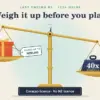
The detail that matters most is what the multiplier is applied to. Some operators apply it to the bonus alone; others apply it to the deposit plus the bonus, which roughly doubles the base figure and therefore the turnover. A 35x requirement on a NZ$100 bonus is NZ$3,500 of bets. The same 35x applied to a NZ$100 deposit and a NZ$100 bonus is NZ$7,000. Two offers advertised with the identical headline multiplier can demand very different amounts of play, which is why reading the base is the first thing to check in any set of casino bonus terms.
How to calculate the playthrough
The core maths is simple multiplication. Once you know the base and the multiplier you can work out exactly how much you must stake:
- Bonus-only requirement: bonus amount × multiplier. A NZ$50 bonus at 40x = NZ$2,000 in total bets.
- Deposit + bonus requirement: (deposit + bonus) × multiplier. A NZ$50 deposit plus a NZ$50 bonus at 40x = NZ$4,000 in total bets.
- Free-spins winnings: the multiplier usually applies to what the spins win, not the spin value. If 50 free spins return NZ$20 and carry 30x wagering, you must bet NZ$600 before that NZ$20 can be cashed out.
Expressing the figure as total turnover rather than a vague multiplier makes it far easier to judge whether an offer is realistic for your budget and your playing time. If you normally bet NZ$1 a spin, NZ$2,000 of turnover is 2,000 spins — achievable over a few sessions. NZ$7,000 of turnover at the same stake is 7,000 spins, which is a very different commitment, especially if a time limit is attached.
How game weighting changes the real effort
Not every dollar you stake counts the same toward a wagering requirement. Each game is assigned a weighting — the percentage of your stake that is credited against the playthrough. Pokies (online slots) almost always count 100%, so a NZ$1 pokie spin reduces your requirement by the full NZ$1. Table and live-dealer games count much less, commonly between 5% and 20%, and a few games are excluded entirely.
This is where many players come unstuck. If blackjack contributes 10% and you need NZ$3,500 of weighted turnover, you would actually have to stake NZ$35,000 at the blackjack table to clear the same requirement — ten times the nominal figure. A quick way to estimate the real effort for any game is to divide the nominal turnover by the weighting. The practical takeaway is that low-weighted games are a slow and expensive way to work through a bonus, which is exactly why operators weight them down.
The main bonus types and their wagering rules
Wagering behaves differently depending on the type of promotion. Understanding the category tells you roughly what to expect before you even open the terms.
- Match deposit bonus: the operator matches a percentage of your deposit in bonus cash. These carry the highest total turnover because the multiplier is large and sometimes applied to deposit plus bonus. Compare several before committing, as terms on match deposit bonuses vary widely between brands.
- No-deposit bonus: a small amount of bonus funds given without a deposit. The value is low but the multiplier and the win cap are usually strict, so the real cash you can ever withdraw is limited.
- Free spins: a set number of spins on nominated pokies. Wagering normally applies to the winnings, not the spins themselves, and the spins are often tied to specific titles.
- No-wagering offers: “keep what you win” deals that pay winnings straight to your cash balance with no playthrough at all. They tend to be smaller but are the most transparent.
- Sticky (non-cashable) bonus: funds you can bet with but never withdraw. You keep the profit the bonus generates once the requirement is met, but the original bonus stake is removed when you cash out.
- Cashback and reload offers: returning-player perks that often carry lower, more achievable terms than a headline welcome package.
Bonus Comparison
| Offer type | Typical wagering | Applies to | Keep winnings instantly? | What to watch |
|---|---|---|---|---|
| Match deposit (cash) | 30x–50x | Bonus, or deposit + bonus | No | Highest total turnover; check the base |
| No-deposit bonus | 40x–70x | Bonus / winnings | No | Low value, high multiplier, strict win cap |
| Free spins (standard) | 20x–40x | Winnings from the spins | No | Wagering applies to what the spins win |
| No-wagering free spins | None (0x) | — | Yes | Smaller spin counts; cash paid directly |
| Sticky / non-cashable | 25x–50x | Bonus | No | Bonus stake removed at withdrawal; keep profit |
| Cashback | 1x or none | Refunded amount | Often | Usually the fairest terms; check if real cash |
| Reload bonus | 25x–40x | Bonus | No | Smaller match for returning players |
Time limits, maximum bets and win caps
The multiplier is only one of several restrictive terms. Three others routinely decide whether a bonus is worth taking:
- Expiry window: most New Zealand-facing sites give you between 7 and 30 days to complete the turnover. If the clock runs out, the bonus and any winnings derived from it are usually voided. A large requirement on a short window can be mathematically impossible at sensible stakes.
- Maximum bet: while a bonus is active, operators commonly cap bets at NZ$5–$10 per spin or hand. Exceed the cap — even once — and many casinos reserve the right to void the bonus entirely.
- Maximum win or conversion cap: some offers limit how much of your bonus winnings you can ever withdraw, often to a multiple of the bonus. A huge win on a capped bonus does not translate into a huge withdrawal.
Worked examples
Putting the pieces together shows how quickly the headline number changes once the rules are applied:
- Clean welcome match: NZ$100 bonus, 30x on the bonus only, pokies at 100%, 30-day window. Turnover required: NZ$3,000. At NZ$1 a spin that is 3,000 spins — demanding but realistic.
- Deposit-plus-bonus match: NZ$100 deposit and NZ$100 bonus, 35x on both, pokies at 100%, 14 days. Turnover required: NZ$7,000 in two weeks — a far heavier commitment for the same NZ$100 of bonus value.
- Table-game trap: NZ$50 bonus, 40x, played on blackjack weighted at 10%. Nominal turnover NZ$2,000, but at 10% weighting you must actually stake NZ$20,000 to clear it.
- No-wagering free spins: 20 spins that win NZ$8, no playthrough. The NZ$8 is cash you can withdraw straight away.
How to spot unfair or predatory terms
A bonus is designed to favour the operator; that is normal. What separates a fair offer from a predatory one is whether the terms are achievable and clearly disclosed. Warning signs worth treating with caution include a very high multiplier (60x–70x or more), the multiplier applied to deposit plus bonus, a short expiry combined with a large requirement, a low maximum-bet cap paired with a big turnover target, and a tight maximum-win cap that makes the effort pointless. Terms that are hard to find, vaguely worded, or that exclude large parts of the game library are also red flags. If the maths does not work out at the stakes you intend to play, the honest move is simply to decline the bonus and play with your own cash balance.
Low-wagering and no-wagering options in New Zealand
The fairest offers are those with little or no playthrough attached. Low-wagering promotions apply a small multiplier — sometimes just 1x to 5x — so winnings clear quickly, and you can find current examples among low-wagering casinos. No-wagering deals go further and pay winnings as instant cash; they are usually smaller in headline value but carry none of the sticky-balance or expiry risk, and the mechanics are explained in more detail in this guide to no-wagering bonuses. For many players the trade-off of a smaller but genuinely withdrawable reward is better value than a large bonus buried under a steep requirement.
Wagering requirements under New Zealand’s new online casino rules
New Zealand’s regulatory position changed substantially in 2026, and it affects how bonuses and their terms are presented. The Online Casino Gambling Act 2026 came into force on 1 May 2026, and the supporting Online Casino Gambling Regulations 2026 took effect on 3 July 2026. The Department of Internal Affairs (DIA) is the regulator and runs a competitive process for up to 15 online casino licences; the licence auction was held on 29 September 2026, with licences expected to be issued from early 2027. Unlicensed offshore operators are required to stop offering online casino gambling to New Zealanders from 1 December 2026.
Several of the new rules touch bonuses directly or indirectly. Credit cards and credit-linked payment methods are banned for online casino play, operators must offer configurable deposit, spend and session limits with a 24-hour cooling-off period before any limit is increased, and advertising rules restrict sponsorships, endorsements and affiliate marketing. Players must be 18 or over and verified through robust digital identity checks rather than a tick-box. The practical effect is a market moving toward clearer disclosure and firmer harm-minimisation controls, so always confirm an operator’s licensing status before depositing. For the full picture, see our overview of New Zealand’s gambling laws.
Smart habits for clearing a bonus
Treating a bonus as a way to extend your entertainment rather than a guaranteed profit is the mindset that keeps the experience under control. A few disciplined habits help:
- Convert the multiplier into a total-turnover figure before opting in, and check whether it is realistic at the stakes you actually play.
- Read the game-weighting table and stick to games that contribute 100% if your goal is to clear the requirement efficiently.
- Note the expiry date and the maximum bet, and never exceed the bet cap — a single oversized stake can void the whole bonus.
- Check for maximum-win and conversion caps so you know the most you could ever withdraw.
- Set a budget before you start and accept that forfeiting a bonus is always a valid choice if the terms do not suit you.
Responsible Gambling and Legal Note
This article is general information about bonus terms, not betting, financial or legal advice, and nothing here improves your chance of winning — the house edge applies to every game regardless of any bonus. Online casino gambling in New Zealand is restricted to adults aged 18 and over and is regulated by the Department of Internal Affairs under the Online Casino Gambling Act 2026; only licensed operators may serve New Zealanders, and that framework is still being phased in. Bonuses can encourage longer or larger play than intended, so set deposit and time limits in advance and never chase losses. Free, confidential support is available 24/7 from the Gambling Helpline Aotearoa on 0800 654 655, and you can read more about staying in control in our guide to responsible gambling in New Zealand.
Sources
Frequently Asked Questions (FAQ)
What does a 35x wagering requirement mean?
It means you must place total bets equal to 35 times the relevant amount before bonus funds and winnings can be withdrawn. On a NZ$100 bonus that is NZ$3,500 of stakes if the multiplier applies to the bonus only, or NZ$7,000 if it applies to your deposit plus the bonus. Always check which base the casino uses.
Do all games count equally toward wagering?
No. Each game has a weighting that sets how much of your stake counts. Pokies usually contribute 100%, while table and live-dealer games such as blackjack or roulette often contribute only 5% to 20%, and some games are excluded. Playing low-weighted games means you must stake far more to clear the same requirement.
What is a sticky bonus?
A sticky, or non-cashable, bonus is money you can bet with but never withdraw. You keep any profit the bonus generates once the wagering requirement is met, but the original bonus amount is removed from your balance when you request a payout.
Can I withdraw winnings from no-wagering free spins immediately?
Usually yes. Genuine no-wagering offers pay winnings straight to your cash balance with no playthrough, so the money is withdrawable once any standard account checks are complete. They are often smaller than wagered offers, but what you win is truly yours.
What happens if I do not finish the wagering in time?
If the expiry window closes before you meet the requirement, the bonus and any winnings tied to it are normally voided, while your own deposited funds remain. A large requirement on a short window may be unrealistic, so check the timeframe before opting in and decline the bonus if the maths does not work for you.


Recent Gambling News