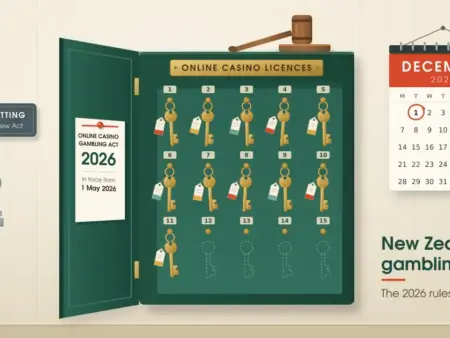
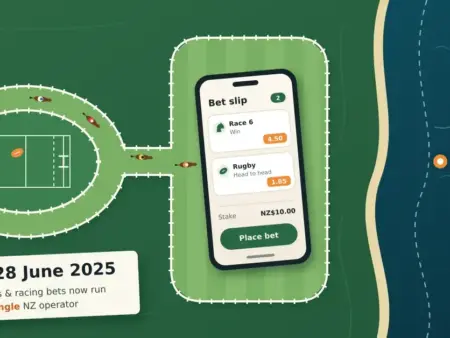
New Zealand has entered an unusual period for digital gambling. The Online Casino Gambling Act took effect on 1 May 2026, yet the first New Zealand licences are expected in early 2027. Existing providers that served the country before the Act began can continue through the transition, subject to new restrictions. From 1 December, the field narrows to operators that won the right to apply for one of 15 licences. That leaves players comparing services while the regulatory system is still taking shape. The sensible comparison now starts with legal status and payment rules. Player protections deserve the same attention as a welcome offer.
Start With Who Is Behind the Site
A comparison page can save time when it explains more than the headline bonus. Casino.org reviews New Zealand-facing sites and publishes information on game selection and payment options. Its ratings also cover security and customer service. If you are assessing an online casino, that gives you several points to investigate before opening an account rather than relying on the first offer in an advert. Casino.org also covers bonuses and payout times, so readers can see when a large promotion comes with longer withdrawal periods or different banking conditions.
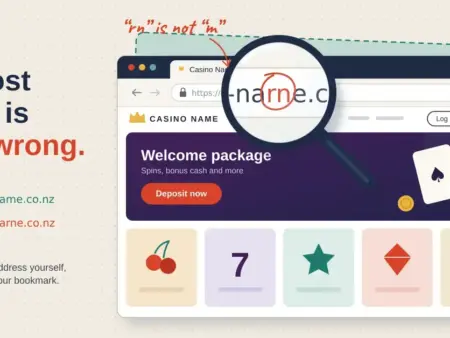
That outside research still needs an official check beside it. New Zealand is moving toward a system in which licensed providers will appear on a public register maintained by the Department of Internal Affairs. Each approved service will also display a unique registration icon. Those measures are designed to give players a direct way to confirm regulatory status instead of taking a badge on the operator’s own website at face value.
The Transition Date Deserves Attention
Until 1 December 2026, providers that supplied New Zealand customers before 1 May can continue serving them. Advertising to New Zealand audiences is prohibited during this period. After the December deadline, only operators that succeeded at auction and submitted licence applications can continue under the transitional exemption. Formal licences are expected from early 2027.
The Department of Internal Affairs reported in October that 11 entities had secured the right to apply for the 15 available licences. Winning at auction does not equal receiving a licence. Each applicant still faces an assessment process. A player should therefore distinguish between current access, transitional permission and final licensed status when reading claims made during the next few months.
Payment Options Need More Than a Logo
Deposit pages often present familiar card or wallet symbols without explaining what happens after a win. Casino.org’s New Zealand banking guide compares deposit times with withdrawal periods and notes that the two can differ. Some payment routes support deposits but cannot receive withdrawals. Others involve bank fees or operator limits.
New Zealand’s new regulations will put firmer rules around these transactions. Licensed providers cannot accept payment methods involving a credit contract, which covers credit cards. Customers will register one deposit method for each platform at a time. A withdrawal method can differ from the deposit route. These requirements give payment choice a consumer-protection role rather than treating banking as a minor cashier feature.
Withdrawals Should Be Easy to Understand
The new framework also addresses what happens after funds enter an account. Licensed operators must keep uncommitted customer money separate from their own business accounts. Players must be able to access their balance and play history. They can request withdrawal of uncommitted funds through their account.
Before depositing during the transition, check the operator’s present withdrawal rules yourself. Look for processing times and minimum cash-out amounts. Identity checks can affect the timetable as well. A payment method that places money into an account in seconds may take days in the other direction, so “instant deposit” tells you little about the full banking experience.
Player Protection Is Becoming More Concrete
The minimum standards for the licensed market contain controls that players will be able to inspect rather than infer. Platforms must offer self-exclusion and maintain a register that blocks excluded customers from play. Live customer support must remain accessible after an account opens. Users will also have the option to use multifactor authentication for sensitive account activity.
Identity and location checks form another part of the system. Licensed services must verify that a customer is in New Zealand and take steps to detect tools that disguise location. Account activity also needs an auditable trail. Those requirements create a clearer basis for comparison because security can be judged through identifiable controls rather than broad claims about being safe.
Harm Controls Belong Near the Account Settings
New Zealand’s regulations require licensed platforms to support limits on gambling time and deposits. Spend controls also form part of the framework. Breaks in play and time-outs appear in the rules as active account features rather than optional advice placed at the bottom of a responsible-gambling page.
The need for those tools is supported by national data. The Ministry of Health says 31.1% of adults gambled online during 2023/24 through domestic or overseas services. Some form of gambling-related harm affected 8.3% of adults during the same period. The Ministry estimates that 22% of New Zealand adults will experience harm from their own gambling or somebody else’s at some point in life.
Complaints Should Have Somewhere to Go
A good complaints process becomes most valuable when something has already gone wrong. Under the new regime, customers will be able to complain to the licensed operator or take the issue to the Department of Internal Affairs. The public register will provide another way to confirm that the business falls under New Zealand supervision.
During the transition, the DIA already accepts reports about providers that advertise unlawfully. Its gambling group also publishes contact details for regulatory inquiries. That gives New Zealand players an official route when a question concerns compliance rather than a normal customer-service dispute.